A Structural Problem Requires a Coordinated Solution

Homelessness and housing instability do not continue simply because caring people and capable organizations are absent.

They continue because resources, services, institutions, and opportunities are often disconnected.

The Local Reality

Housing Instability Is Affecting Families Across South Orange County

The cost of housing, limited affordable options, transportation barriers, and uneven access to services place increasing pressure on individuals and families.

[Insert verified South Orange County housing-cost statistic.]
[Insert verified homelessness or housing-instability statistic.]

[Insert verified transportation or service-access statistic.]

Behind every number is a person trying to navigate a system that can feel overwhelming, fragmented, and difficult to access.

The Deeper Problem

The Community Has Resources. It Does Not Always Have a Shared Pathway.

Churches may encounter a family in crisis but have no clear referral process.

A service provider may address one immediate need without knowing what other support is available.

A person may receive a list of phone numbers but no help navigating the next step.

A business may want to contribute but lack a meaningful way to connect its resources with the wider response.

A developer or landowner may be open to exploring affordable housing but lack aligned funding, community support, and resident-service partners.

Each part matters.

But without coordination, even strong individual efforts can remain isolated.

Why Fragmented Referrals Fall Short

A Referral Should Be More Than a Phone Number

Disconnected referrals place the burden back on the person already facing a crisis.

They may need to:

  • Contact several organizations
  • Repeat their story multiple times
  • Determine eligibility on their own
  • Find transportation
  • Navigate waitlists
  • Understand unfamiliar systems
  • Follow up without support

Many people stop somewhere along the way.

Crossbridge supports a warmer approach.

The Warm-Handoff Model

From “Here Is a Number” to “Let Us Help You Connect”

A warm handoff creates a more intentional connection between a person, the referring organization, and the qualified partner that may be able to help.

The goal is not to promise an outcome that cannot be guaranteed.

The goal is to strengthen the connection.

A warm handoff may include:

  • Identifying the appropriate partner
  • Confirming current referral information
  • Helping clarify the next step
  • Supporting communication between organizations
  • Following agreed-upon referral processes
  • Tracking whether the connection was completed when appropriate

This approach helps churches and community partners respond with greater clarity while respecting the expertise, capacity, and boundaries of service providers.

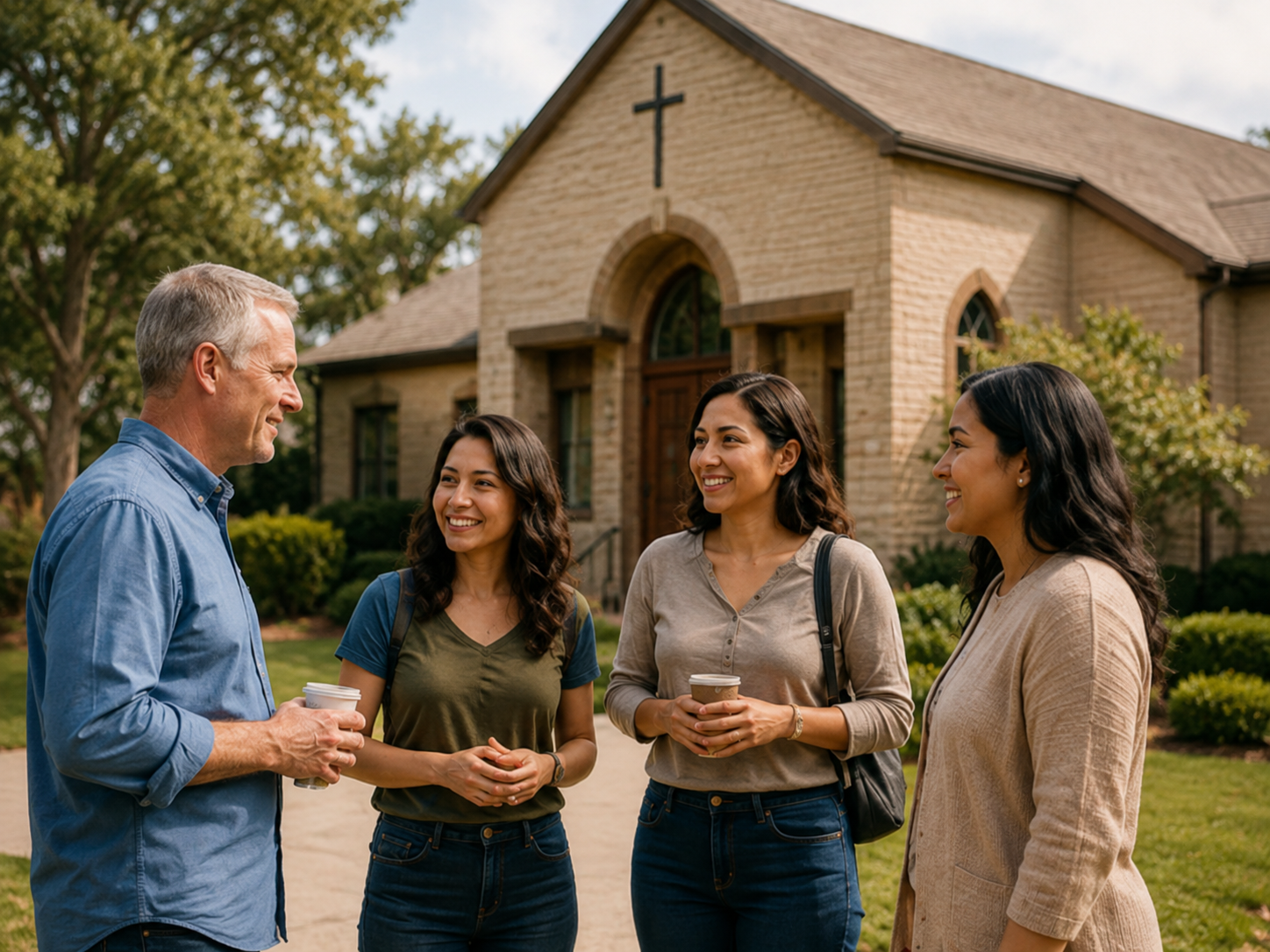
Church and community members connecting outside a church

Why Churches Need a Coordinated Path

Compassion Alone Does Not Create a Service System

Churches are often among the first places people turn when they are facing hardship.

But a church cannot become a housing agency, counseling center, medical provider, legal clinic, food program, financial-assistance organization, and case-management team all at once.

  • Churches need trusted relationships with qualified partners.
  • They need training.
  • They need clear referral pathways.
  • They need a way to serve faithfully without attempting to provide services beyond their experience or capacity.

Crossbridge helps create that path.

What Coordination Makes Possible

When the Community Works Together

Coordination can help:

Reduce confusion

Strengthen referrals

Improve follow-up

Equip volunteers

Clarify partner roles

Identify service gaps

Direct resources more strategically

Build trust between organizations

Support future housing collaboration

Create a stronger community-wide response

Crossbridge exists to build the bridges between compassionate intent and coordinated action.